Turning Broken PCs and Obsolete Hardware into Strategic Urban Mining Assets
 7
Oct
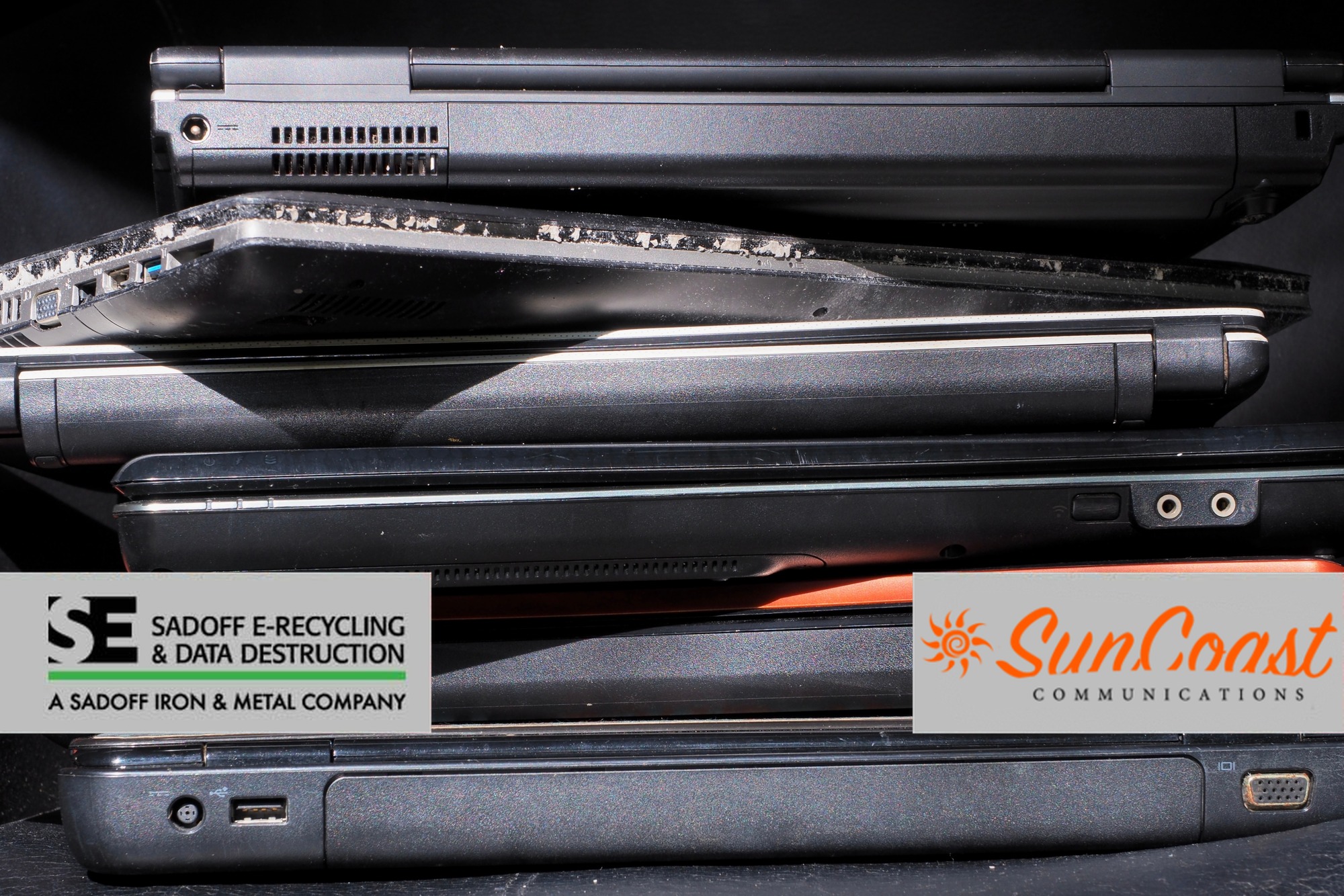
A workstation with a cracked motherboard or a water damaged laptop is almost always treated like dead weight. These machines won’t boot, they can’t take updates, and nobody’s going to hand them to a new hire on Monday. Instead, they end up stacked on a pallet in the basement, gathering dust behind surplus office furniture while operations teams write them off as clutter waiting for an expensive disposal run.
Throwing out dead hardware is just leaving money on the table. A broken laptop might be useless to your team, but its internal components are still packed with valuable raw materials. Instead of paying to haul old gear to the dump, you can use commercial urban mining to pull the cash back out of that equipment. You’re turning a cluttered storage closet into an easy revenue stream, and you guarantee your company’s old data gets permanently destroyed in the process.
The Underlying Geology of Modern Enterprise Hardware
 Global supply chains in 2026 face critical shortages and volatile prices for essential minerals and precious metals. Traditional mining for gold, silver, copper, and palladium consumes massive energy, billions of liters of water, and causes environmental devastation. Yet enterprise IT networks store these exact elements within their broken hardware stockpiles.
Look at the basic math of what is sitting in your IT closet. A single ton of old computer motherboards actually holds more gold, silver, and palladium than a ton of raw ore pulled out of an open-pit mine. Every broken machine on your shelf has real gold plated onto the processor pins and memory slots just to stop corrosion. Add in the thick copper wiring inside the boards, the aluminum heat sinks, and the steel cases, and you’re looking at a pile of raw commodities. Writing all of that off as worthless trash makes zero financial sense.
How Certified E-Recycling Boosts Your ESG Score
The Lethal Assumption: “Broken” Doesn’t Mean “Data-Secure”
Losing money on scrap metal is one thing, but exposing your company’s data is a much bigger problem. When a laptop won’t power on, or the casing is physically trashed, it’s common for busy teams to retire it without yanking the SSD or hard drive. People naturally equate a dead machine with inaccessible data.
This assumption is entirely false. Storage media in nearly every broken machine remains fully functional. A malicious actor, disgruntled employee, or opportunistic scavenger needs only a $10 external enclosure. Within three minutes, they extract an intact SSD module, plug it into another laptop, and browse unencrypted financial records, client databases, and employee identities. Storing dead computers in unmonitored backrooms creates a backdoor to enterprise networks.
How Industrial Sorting and Urban Refining Work
Extracting value from damaged hardware while keeping data airtight requires separating physical destruction from metallurgical recovery. At Sadoff E-Recycling and Data Destruction, our process starts with certified media destruction. Before disassembly begins, technicians pull every drive and storage module, physically shredding them into fine, unrecoverable particles.
Machines are then dismantled to isolate commodity streams. We never crush whole chassis, this contaminates metals and lowers payouts. Instead, Sort and Settle protocols manually separate high-grade server/desktop boards from mid-grade peripheral cards, clean aluminum heat sinks, internal copper wiring, and steel frames. Segregating materials ensures smelters extract maximum precious metals, translating to peak financial returns.
Read More: What are the Benefits of Data Destruction?
Corporate Sustainability Backed by Numbers
Urban mining turns corporate ESG goals from talking points into measurable facts. Every time you recover copper, aluminum, and palladium from retired IT gear, you avoid the massive land disruption of raw mining and keep toxic lead solder out of the ground. Sadoff gives you the exact paperwork to prove it, combining detailed weight and material reports with serialized Certificates of Destruction. It’s a rare win-win-win: your facilities team clears out crowded closets, finance claws back revenue from dead hardware, and leadership gets hard data to prove their sustainability claims.
Put Your Broken Technology Stockpiles to Work
Don’t let damaged computers and obsolete hardware sit as silent security risks and stranded capital. Even when machines can’t run an OS, their physical components hold real market value.
Transform storage clutter into a documented asset recovery stream. Contact Sadoff E-Recycling and Data Destruction to schedule a facility audit and unlock your technology’s true commodity worth.
Categorized in: Electronics Recycling, Sustainability