Navigating Commercial Display Regulations for Corporate Video Walls and Digital Signage
 7
7 Sep
Modern corporate environments have adopted high-impact visual technologies on an unprecedented scale. Corporate headquarters are equipped with enormous multi-panel video walls in executive briefing centers, operational floors rely on continuous sets of monitoring displays, and retail locations deploy hundreds of digital signage screens and interactive kiosks. However, commercial digital displays operate in uninterrupted, intensive duty cycles. Backlights degrade, color balance shifts, and electronic panels fail, which forces organizations to plan large-scale display replacement projects every few years.
When facility managers and corporate real estate directors carry out these digital signage upgrades, they often encounter an operational obstacle. Commercial display equipment cannot be handled like standard office furniture or ordinary electronic scrap. Corporate video displays contain complex assemblies of hazardous elements, specialty glass, and regulated electronics, which places them directly in the crosshairs of state and federal disposal regulations. Getting rid of commercial screens through unverified channels exposes your company to serious statutory penalties, public environmental enforcement proceedings, and logistical paralysis.
Hazardous Materials Built into Corporate Display Equipment
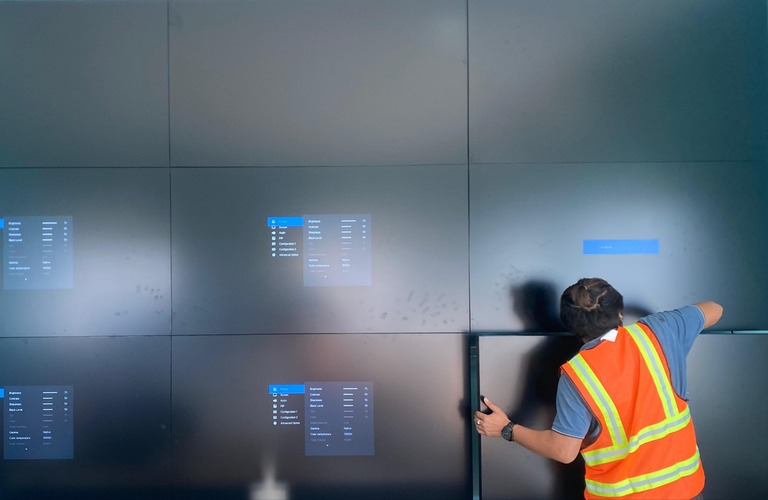 Many corporate decision-makers assume that the withdrawal of bulky CRT monitors eliminated the environmental hazards associated with display disposal. Although modern liquid crystal displays and LED video wall panels are much thinner, they contain a distinct set of hazardous materials requiring strict environmental oversight. Older commercial screens still using cold-cathode fluorescent lamp backlights contain significant concentrations of mercury — a neurotoxin subject to strict regulation under hazardous waste statutes.
Even modern solid-state displays contain hazardous substances. Commercial display panels rely on printed circuit boards saturated with brominated flame retardants, lead solder, and specialized rare-earth phosphors. Moreover, the specialty glass substrate used in high-durability commercial displays cannot be processed like ordinary bottle glass due to its chemical composition and metal content. If commercial video walls are thrown into industrial waste containers, the physical impact crushes the panels, releasing mercury vapors and toxic chemical dust directly into the air and municipal waste streams.
What Are the Benefits of Data Destruction?
Landfill Bans and the Legal Definition of Commercial Universal Waste
In response to the environmental hazards posed by electronic displays, the vast majority of state environmental protection agencies have introduced explicit bans preventing commercial screens from ending up in municipal landfills. Under modern environmental protection systems, corporate displays are classified as universal waste or regulated industrial scrap. Commercial entities do not benefit from consumer exemptions that allow households to occasionally dispose of single electronic devices through local programs.
State environmental regulators carry out random, unannounced inspections of commercial waste streams and transfer stations. If your company disposes of a batch of corporate monitors or damaged video wall panels into a rented container, the waste hauler will reject the load, and regulatory bodies will trace the origin of the equipment directly back to your company. Statutory penalties for illegal disposal of commercial hazardous waste can easily reach tens of thousands of dollars per violation. Furthermore, under environmental liability statutes, hiring an unlicensed waste hauler to remove damaged screens does not exempt your organization from responsibility if that contractor disposes of the panels illegally.
Managing the Reverse Logistics of Heavy and Fragile Video Walls
Decommissioning a commercial video wall or a corporate network of digital signage screens involves enormous physical and logistical challenges. Unlike standard desktop computers, which can be easily boxed and stacked on standard pallets, commercial displays are heavy, physically awkward, and exceptionally fragile. Handling seventy-inch display panels requires specialized rigging equipment, custom transport packaging, and trained personnel who understand how to move heavy glass assemblies without causing them to structurally crack.
If display panels crack during dismantling or transport, they release toxic particulate matter and create dangerous physical safety hazards for facility workers. Sadoff E-Recycling and Data Destruction provides comprehensive commercial logistics designed specifically for large-format corporate-grade AV equipment. Our trained teams manage on-site dismantling, protective packaging, and safe loading, ensuring that your corporate conference rooms and digital signage infrastructure are emptied cleanly, without structural damage or environmental contamination.
Read More: What Is IT Asset Disposition (ITAD) and What Benefits Does It Offer?
Certified Dismantling and Responsible Material Separation
When commercial video walls and corporate monitors arrive at our certified processing facilities, they enter a dedicated electronics recycling process. We do not simply throw whole display units into an industrial metal crusher, which would create toxic dust and lead to cross-contamination of valuable raw materials. Our technicians perform careful manual dismantling to isolate hazardous elements before mechanical processing begins.
Mercury-containing backlights, lithium battery components, and power supply boards are systematically removed and directed to specialized refining streams. The remaining plastic housings, structural aluminum frames, and internal copper wiring are separated into clean, high-grade commodity streams. This meticulous dismantling guarantees that 100 percent of your commercial display material is handled in accordance with R2 certification standards. We provide our corporate clients with comprehensive recycling certificates and mass-balance documentation, delivering the legal evidence required to meet the demands of environmental auditors and internal sustainability stakeholders.
Upgrade Your Corporate Displays in Full Regulatory Compliance
A commercial display upgrade should strengthen your brand image, not generate a scandal related to environmental compliance or a workplace safety hazard. Handling corporate visual equipment requires specialized logistics, manual engineering work, and verified recycling channels.
Protect your company from hazardous waste penalties and streamline the next replacement of visual technologies. Contact Sadoff E-Recycling and Data Destruction today to implement a compliant, certified commercial display decommissioning program for your corporate facilities.
Categorized in: Electronics Recycling, IT Equipment